


Understanding the Role of Probability in Gambling
At its core, gambling is governed by probability. Many players fall into the trap of believing that luck plays a personal role in determining outcomes, but the truth is that each game has a fixed set of odds. For instance, in games like roulette, the probability of the ball landing on a particular number is precisely calculated based on the physical layout of the wheel. Understanding these odds can help players adopt a more strategic approach rather than relying solely on luck. By familiarizing themselves with these probabilities, players can explore casino sites fast withdrawal options that may enhance their overall experience and potentially increase their chances of having a rewarding gaming experience.
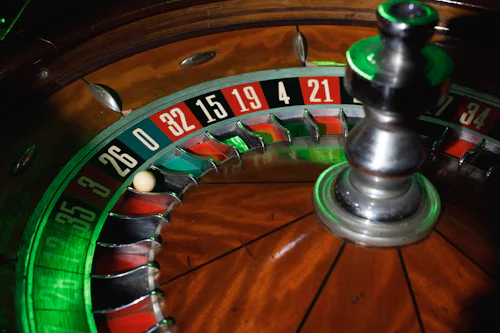
Moreover, the concept of “streaks” often leads players to assume they can predict outcomes based on past results. This misleading belief, often termed the gambler’s fallacy, suggests that if a number hasn’t come up in a while, it’s due to appear soon. However, each spin of the wheel or shuffle of the cards remains an independent event, unaffected by previous outcomes. Recognizing this fact is essential for anyone looking to play responsibly and with a clear mind. It allows players to appreciate the randomness of the games instead of getting caught up in false expectations.
To effectively navigate gambling, it’s critical to grasp the mathematical principles underlying each game. By understanding the house edge, which is the casino’s advantage over players, you can make informed choices about which games to play and how to manage your bankroll. Knowledge of probability can empower players to make decisions that enhance their experience rather than diminish it through reliance on superstition or myth. This understanding not only fosters a more enjoyable experience but also nurtures a healthier relationship with gambling.
The Myth of Lucky Charms and Rituals
Many gamblers believe in the power of lucky charms or rituals that they assume bring them good fortune. Whether it’s wearing a specific shirt, carrying a lucky coin, or performing a particular action before placing a bet, these behaviors often stem from personal beliefs rather than actual influence over gambling outcomes. While these habits can provide psychological comfort and enhance the enjoyment of the game, they do not affect the randomness of the results. A player may feel more confident when engaging in these rituals, but it’s crucial to understand that confidence does not equate to increased chances of winning.
It’s important to understand that casinos utilize sophisticated technology and algorithms to ensure fairness and randomness in their games. Each outcome is determined by random number generators or physical devices designed to produce unpredictable results. The belief that certain actions or items can sway outcomes only serves to reinforce personal superstitions, rather than providing any concrete advantage during gameplay. This reliance on myths can detract from the enjoyment of the game itself, as players may end up focusing more on rituals than on the thrill of the game.
Instead of focusing on these myths, players might find more satisfaction in learning the games and honing their skills. The excitement of mastering a game can be far more rewarding than hoping for an external source of good luck. By concentrating on strategic gameplay rather than rituals, players can foster a healthier gambling mindset and enjoy their time at the casino more fully. Engaging in the intricacies of the games can lead to a deeper appreciation for gambling as an entertainment medium.
The Influence of Location and Timing on Luck
Another common myth suggests that playing at certain times or locations can influence luck. Many players believe that specific tables, machines, or even times of day are luckier than others. For example, some might argue that machines in high-traffic areas pay out more frequently, while others might insist that late-night gamblers are on a winning streak. These beliefs, however, lack a factual basis and are typically borne out of anecdotal evidence rather than statistical analysis. This misinterpretation can lead players to waste time and energy chasing after supposed lucky spots in the casino.
The randomness of games is not subject to time or location. Casinos do not have the ability to shift luck in favor of specific players based on where they choose to play. Each game is designed to ensure that outcomes are purely random. This means that whether you play a slot machine at 3 PM or 3 AM, your chances of winning remain the same. Recognizing this helps players avoid chasing myths and instead focus on enjoying the experience of gambling. It also encourages a more relaxed atmosphere where enjoyment can take precedence over the pressure to win.
As players move away from these myths, they can create a more enjoyable gaming atmosphere. By focusing on the social aspects of gambling or the thrill of the game itself, players can enhance their overall experience. Engaging with fellow players and embracing the entertainment value of casinos can turn a pastime into a cherished social event, free from the burden of luck-based beliefs. This shift in perspective can lead to a more fulfilling experience, where the focus is on enjoyment rather than solely on winning.
Debunking the “Hot” and “Cold” Game Theory
The idea of “hot” and “cold” games is one of the most pervasive myths in the gambling world. Many players subscribe to the belief that some games or machines are on a winning streak (hot) while others are not paying out (cold). While emotional narratives can certainly contribute to gameplay experiences, the fact remains that every game operates independently of another and is governed by random outcomes. This means that a machine or table that has been losing for a while is just as likely to produce a win, regardless of its perceived hot or cold status. Understanding this can save players from making poor decisions based on false assumptions.
This myth often encourages players to make irrational choices. For instance, a player might continue betting on a “cold” machine in hopes that it’s due for a payout while ignoring more attractive opportunities elsewhere. This mindset not only impacts decision-making but can also lead to greater losses. Understanding that games are based on random outcomes can help players make more informed choices rather than following superstitions. A rational approach to game selection can lead to a more strategic gambling experience.
Ultimately, the concept of hot and cold games illustrates how emotions can often cloud judgment in gambling. By focusing on the facts and statistics of the games, players can shift their approach from luck-based thinking to a more analytical perspective, greatly enhancing their gaming experience and potentially leading to more favorable results in the long run. Embracing this analytical mindset can also foster a deeper appreciation for the complexity and unpredictability of games of chance.
Discovering Reliable Resources for Gambling Insights
For those looking to navigate the world of gambling with a clearer understanding, finding reliable resources is paramount. Many websites and communities focus on educating players about the truths of gambling, offering insights into game mechanics, strategies, and responsible gambling practices. These platforms help to dispel myths and provide players with the information they need to make informed decisions, free from the shackles of superstition. By seeking out credible resources, players can arm themselves with knowledge that enhances their gaming experience.
By leveraging forums, blogs, and guides dedicated to games and strategies, players can enrich their understanding of how games work, which can lead to greater satisfaction while playing. An informed player is a more empowered player, capable of enjoying the entertainment inherent to casinos without being swayed by misleading beliefs. Whether it’s through academic research, statistical analysis, or expert opinions, players should seek out credible sources to enhance their knowledge of the gambling landscape. This proactive approach can transform the gambling experience into one that is both enjoyable and educational.
In conclusion, as players embrace knowledge over myths, they can cultivate a healthier approach to gaming, emphasizing fun and strategic play rather than relying on folklore. Engaging with trusted resources not only enhances the gaming experience but also ensures that players make the most of their time spent at casinos, fostering a well-rounded gambling culture that values fact over fiction. Understanding the realities of gambling can significantly improve one’s experience, enabling players to enjoy the thrill of the game without being misled by myths.